Kensington's map room
Our first landmark is the Royal Geographical Society in London, founded in 1830. Over almost two centuries it has gathered maps, photographs, expedition reports and the personal papers of explorers. Its collections are open to researchers by appointment, and much of its catalogue can be searched online. Reading-room rules are a lesson in preservation: pencils only, clean hands, foam supports for fragile bindings.
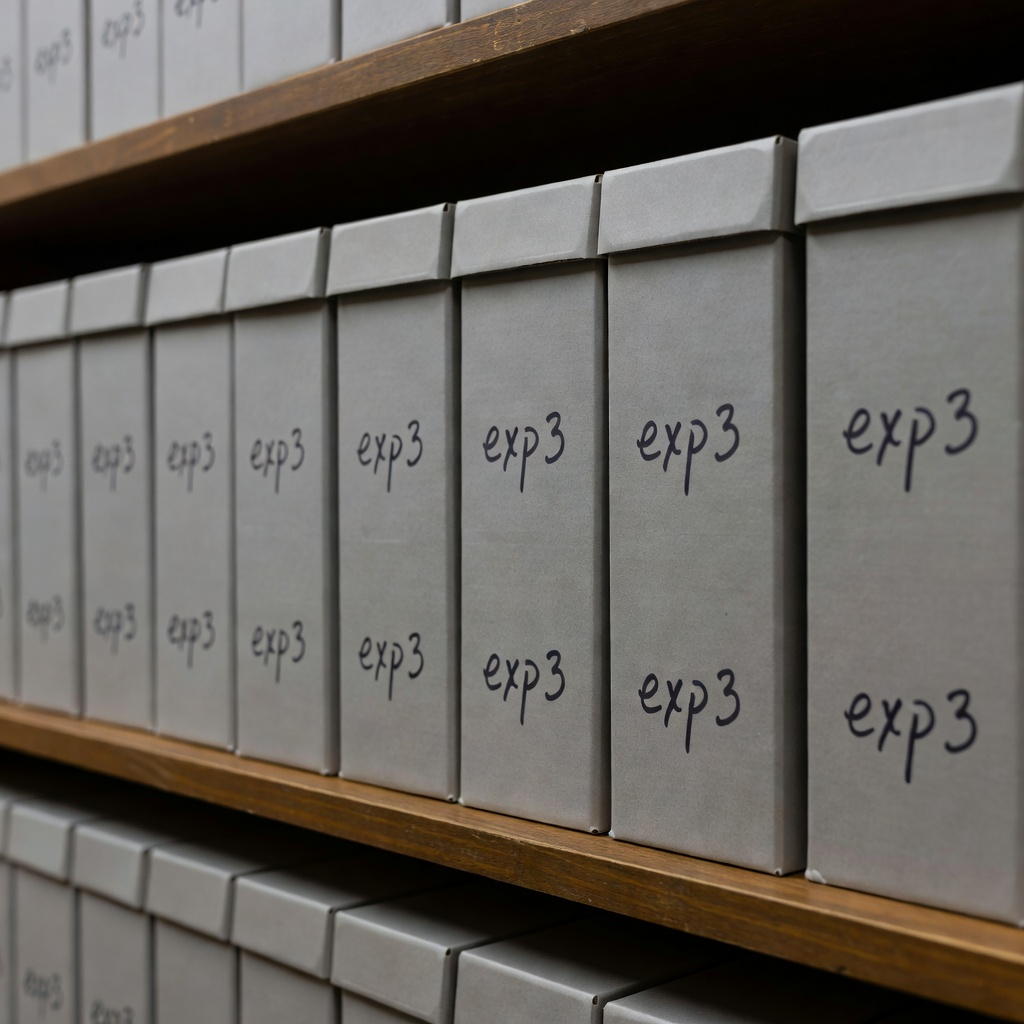
The society's collections show how an archive turns personal objects into public knowledge. A notebook arrives as a donation or bequest; it is assessed, given a reference number, described in a catalogue entry and stored in acid-free boxes in controlled temperature and humidity.
The hidden field books
Field notes have a habit of hiding. Scientists file them with specimens, in departmental cupboards or among family papers. In 2010 the Smithsonian Institution launched the Field Book Project, led by the Smithsonian Institution Archives and the National Museum of Natural History, to locate, catalogue and digitise field books scattered across its collections. Volunteers in its Transcription Center help turn handwritten pages into searchable text.
Indexing: the quiet craft
An index is what makes a stash useful. Archivists commonly record who created the notebook, the dates it covers, the places and expeditions involved, the subjects and species mentioned, and the physical format. International description standards such as ISAD(G), published by the International Council on Archives, give these records a consistent shape so researchers can search across institutions.
For natural-history notes, a second layer of indexing links observations to data. The Darwin Core terms we met in Expedition Two let a sighting written in a notebook be transcribed into a record that can be shared through the Global Biodiversity Information Facility (GBIF), established in 2001.
Digital trailheads
Three digital resources make excellent starting points for armchair explorers. The Biodiversity Heritage Library, founded in 2006, offers millions of pages of natural-history literature, including field notes. Darwin Online, based at the University of Cambridge, publishes images and transcriptions of Darwin's notebooks. Livingstone Online presents David Livingstone's manuscripts, including the spectrally imaged 1871 field diary we visited in Expedition One.
Preserving your own stash
You don't need a climate-controlled vault to care for your notebooks. Archivists' advice scales down well:
- Store notebooks upright or flat in a cool, dry, dark place — never in attics or damp basements.
- Remove rusting paperclips and rubber bands, which stain and degrade paper.
- Write a simple index on the first page: dates covered, places, main subjects.
- Scan or photograph every page at good resolution and keep copies in two places.
- Label files consistently, for example 2026-07_serengeti_notebook-02.pdf.
Who should inherit the notebook?
If your family holds an old safari diary or expedition notebook, contact a local record office, university archive or natural-history museum before discarding it. Even ordinary travel notes can document landscapes, wildlife and communities that have since changed.
Dispatch timeline
- 1830The Royal Geographical Society is founded in London.
- 2001GBIF is established to share biodiversity data worldwide.
- 2006The Biodiversity Heritage Library is founded.
- 2010The Smithsonian launches the Field Book Project.